
Reading The Fall by Albert Camus (and Seeing Parts of Myself I Avoid)

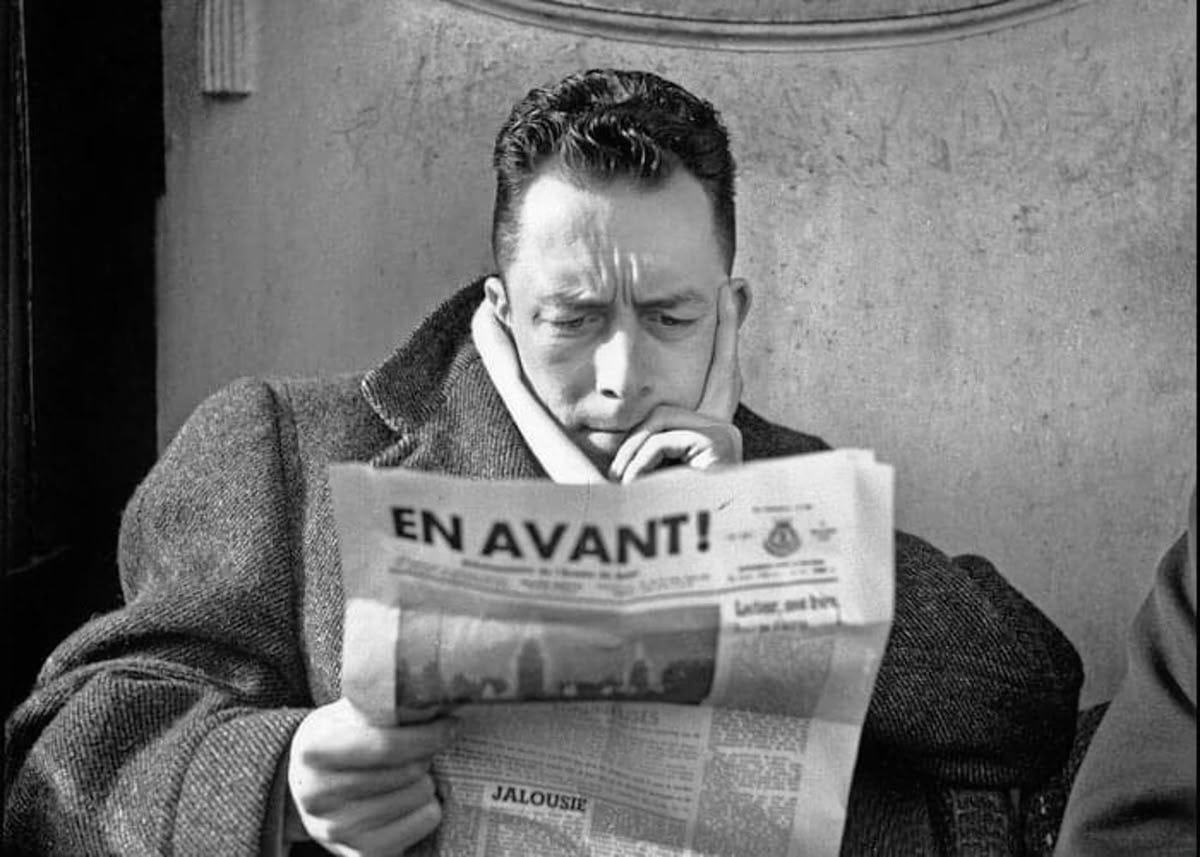
I’m reading The Fall by Albert Camus, and it’s uncomfortable in a very quiet way. Not shocking. Not dramatic. Just unsettling. Like realizing you’ve been avoiding a truth and someone finally said it out loud.
This isn’t a book that rushes you.
It waits.
The book is basically a man talking. Confessing. But the strange part is how easily his voice starts to sound like your own. He isn’t describing some extreme failure or moral collapse. He’s talking about small moments. Moments that seem forgettable at the time, but somehow stay.
The kind of moments you replay years later
and wonder why they never left you.
Camus understands something painfully human: most of us want to believe we’re good people. And we work hard to protect that belief. We help when it’s visible. We stay silent when speaking up would make things messy. We convince ourselves that not acting wasn’t really a choice, it was just bad timing, exhaustion, someone else’s responsibility.
We don’t lie to others first.
We lie to ourselves.
There’s a psychological truth running under the whole book:
guilt doesn’t come from what we do wrong. It comes from knowing we could have done something and didn’t.
That’s the kind of guilt that doesn’t fade. It just waits.
Quiet.
Patient.
Certain it will be remembered.
In The Fall, one ordinary moment turns into a lifelong moral fiasco. Not because it was cruel, but because it was ignored. And that’s what makes it so hard to read. It mirrors daily life too closely. The times we looked away. The times we heard something and pretended we didn’t. The times we chose comfort over conscience.
Just one small decision not to stop.
Slowly, the narrator’s confidence starts to crack. The version of himself he trusted begins to feel dismantled.
Not all at once, but piece by piece. And somewhere in that unraveling, you start noticing your own defenses.
The stories you tell yourself to stay okay with who you are.
We call it growth.
Sometimes it’s just avoidance dressed up as maturity.
There’s a deep yearning in the book
not to become better, but to be forgiven without having to change.
To confess just enough to feel lighter, but not enough to take responsibility.
To be understood,
but not held accountable.
What makes The Fall hit so hard is how real it feels today. We live in a world where being seen matters more than being sincere. Where it’s easier to judge loudly than to act quietly. Camus doesn’t attack this. He just holds it up and lets you look.
And looking is the hardest part.
This isn’t a book that comforts you. It doesn’t offer redemption or closure. It leaves you sitting with the parts of yourself you usually rush past. The hesitation. The silence. The moments you never thought would matter.
The moments that did.
The Fall doesn’t ask if you are good or bad.
It asks how honest you are with yourself when no one is watching.
And once that question settles in,
it doesn’t leave quietly.
Great article!
Camus is great.